Week one
You write the task in one paragraph, freeze 40 labelled cases, and record a manual baseline (time or error rate). Artefact: a spreadsheet or JSONL file the rest of the cohort can open.
Method
The public timetable is built around one Wednesday block in Bras Basah. Theory earns its keep only when it changes the artefact on your machine before 22:00.
Session
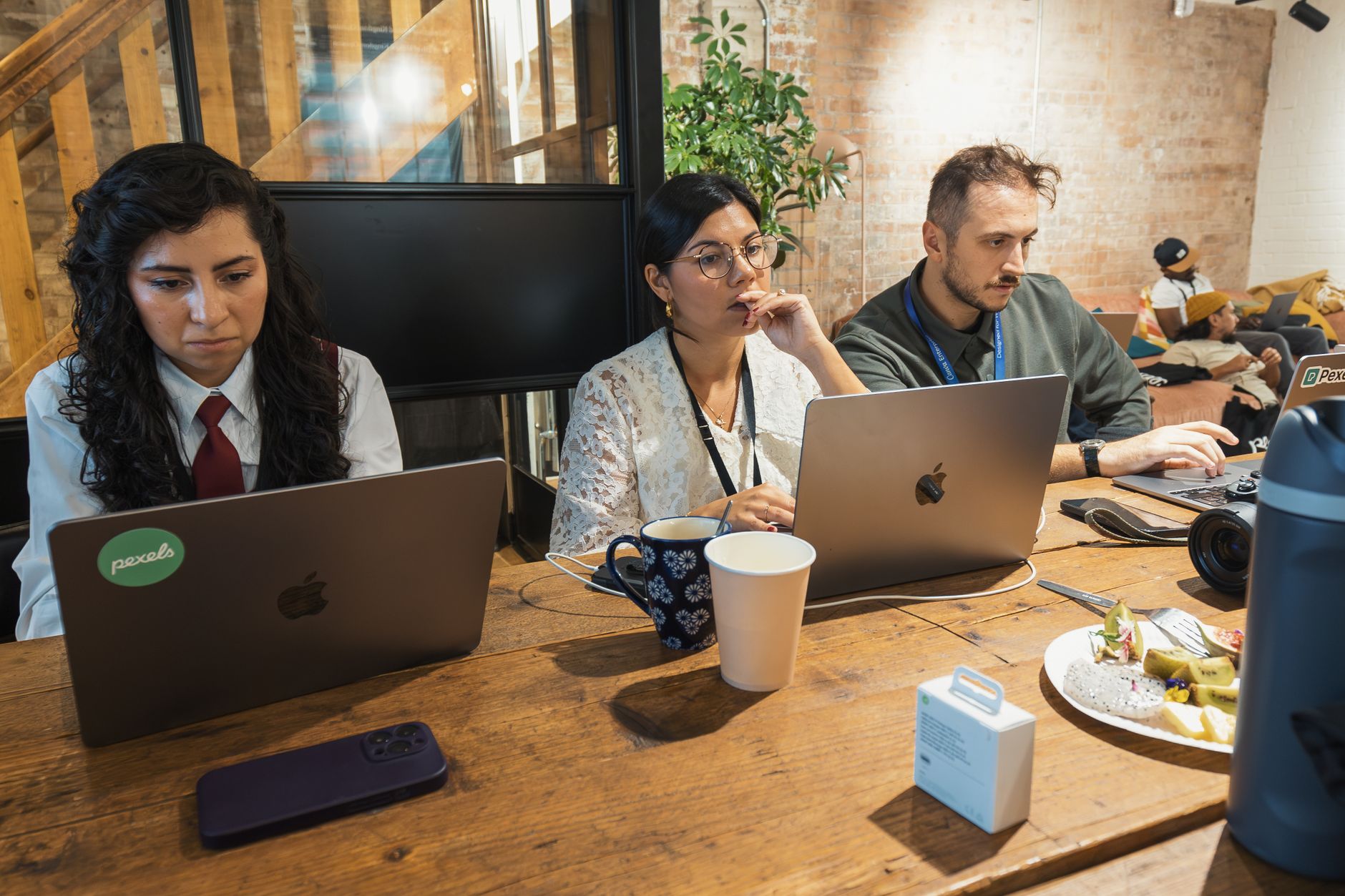
Doors open at 18:45. Teaching runs 19:00–22:00. The first 90 minutes is a single worked example on a shared sample set: the instructor types, the room follows, and we stop to score a slice of 15–20 items. The second 90 minutes is your repository. Phones stay off the table except for the 2FA you need for an API console.
Online seats join the same clock. We keep one shared document for questions so the room and the stream see the same answers. If a network drop lasts more than ten minutes, the recording of the example half is posted to the cohort folder the same night. The build half is still yours to complete before Friday’s review.
Syllabus
The eight-week Automation Studio is the longest public line. Shorter programmes compress the later weeks. Each row names the artefact you should be able to run by Friday.
You write the task in one paragraph, freeze 40 labelled cases, and record a manual baseline (time or error rate). Artefact: a spreadsheet or JSONL file the rest of the cohort can open.
A script that takes one input and returns the schema you promised. No tools yet. Artefact: prompt version 1 and a score on those 40 cases.
Every call writes model alias, latency, token count and outcome. Artefact: a 50-row log and a cap you will not exceed in class.
One side effect or one index, not both. Artefact: a function with a timeout and a test that proves it can fail closed.
Low-confidence items go to a queue a person can drain. Artefact: a threshold you can justify from the log, plus ten reviewed cases.
You add the cases that broke in weeks two to five, then rescore the original 40. Artefact: prompt version n and a short note on what got worse.
A notebook or small page that shows jobs, scores and the last failure. Artefact: a four-minute walkthrough a colleague could follow.
Runbook, licence notes for any sample data, and the list of work you will not pretend is finished. Artefact: a two-page PDF plus the repo tag.
Practice
The log is a living table: case identifier, input, expected output, actual output, pass or fail, prompt version, date. You fill a baseline row before the first model call. After each Wednesday you add a column or a new sheet rather than overwriting history.
We look at the log before we look at the interface. A prettier demo with a silent drop on the original 40 cases is a failed sprint. The method keeps arguments short because the numbers sit in a file everyone in the pair can open.
Saturday
From 10:00 to 12:00 the room is a clinic, not a lecture. You book a 20-minute slot or sit and work. Typical tickets are a broken JSON schema, a retrieval hit rate that will not move, or an employer laptop that blocks local installs. Online participants use the same booking sheet for a screen-share slot.
Clinic is included in the programme fee. It is the place to bring the one error you could not name on Wednesday. We keep the two-hour cap so the next cohort can use the desks at 14:00.
Scope
We stay with a small set of tools long enough to measure them. If a library appears in a changelog on Thursday, it waits until the next cohort. Homework is the next increment of your own artefact: a larger evaluation slice, a cleaner log, a second tool wrapper. There is no essay track and no certificate points for extra reading.
Framework tours, leaderboard chasing, and take-home puzzles detached from your workflow are outside the design. The room is for people who will still own the system in month two.
Afterwards
You keep the notes, sample corpora, and recordings of the example halves for twelve months. The cohort chat stays open for six months for practical questions. One project revision is included: a 45-minute remote session on your log and repo, booked within eight weeks of the last Wednesday.
Further coaching is a separate booking. Alumni may sit in a later clinic if a seat is free, at the studio’s discretion, without displacing the paying cohort of that week.