Small groups
Twelve public seats, eight to sixteen in a private sprint. An instructor who cannot reach every repo in 90 minutes is running the wrong format. We would rather wait-list than add a thirteenth chair.
Studio
The organisation exists to run small cohorts in Bras Basah for people who must put language models, retrieval and automation into a workflow they already own.
Origin
By early 2026, survey courses on generative tools were easy to find and hard to apply on a Tuesday morning queue. Operators left with vocabulary. Developers left with a notebook of APIs. Neither group had an evaluation set or a system they could rerun. Aimasteryhub was set up to sell the missing week structure: twelve seats, a Wednesday block, and an artefact with a score.
The first room was hired in Bras Basah Complex so evening access and a central MRT walk were ordinary rather than special. Online seats were added in the same term because several participants already worked from Johor and from other Singapore neighbourhoods that fail to clear the CBD by 19:00.
Method
Four rules sit on the wall because they decide what we refuse as well as what we teach.
Twelve public seats, eight to sixteen in a private sprint. An instructor who cannot reach every repo in 90 minutes is running the wrong format. We would rather wait-list than add a thirteenth chair.
Each week ends in something that runs and a number on a frozen set. Slide-only attendance does not complete the programme. The document of completion follows the logs, not the hours sat.
Studio machines and the live stream never hold production customer files. Participants generate a sandbox set before week one. The rule protects the room and keeps the Outcome Library free of named organisations.
Each syllabus names the tools we will not cover and the job outcomes we will not promise. Publishing the edge is part of the product. It saves a seat for someone whose actual week matches the modules.
Place
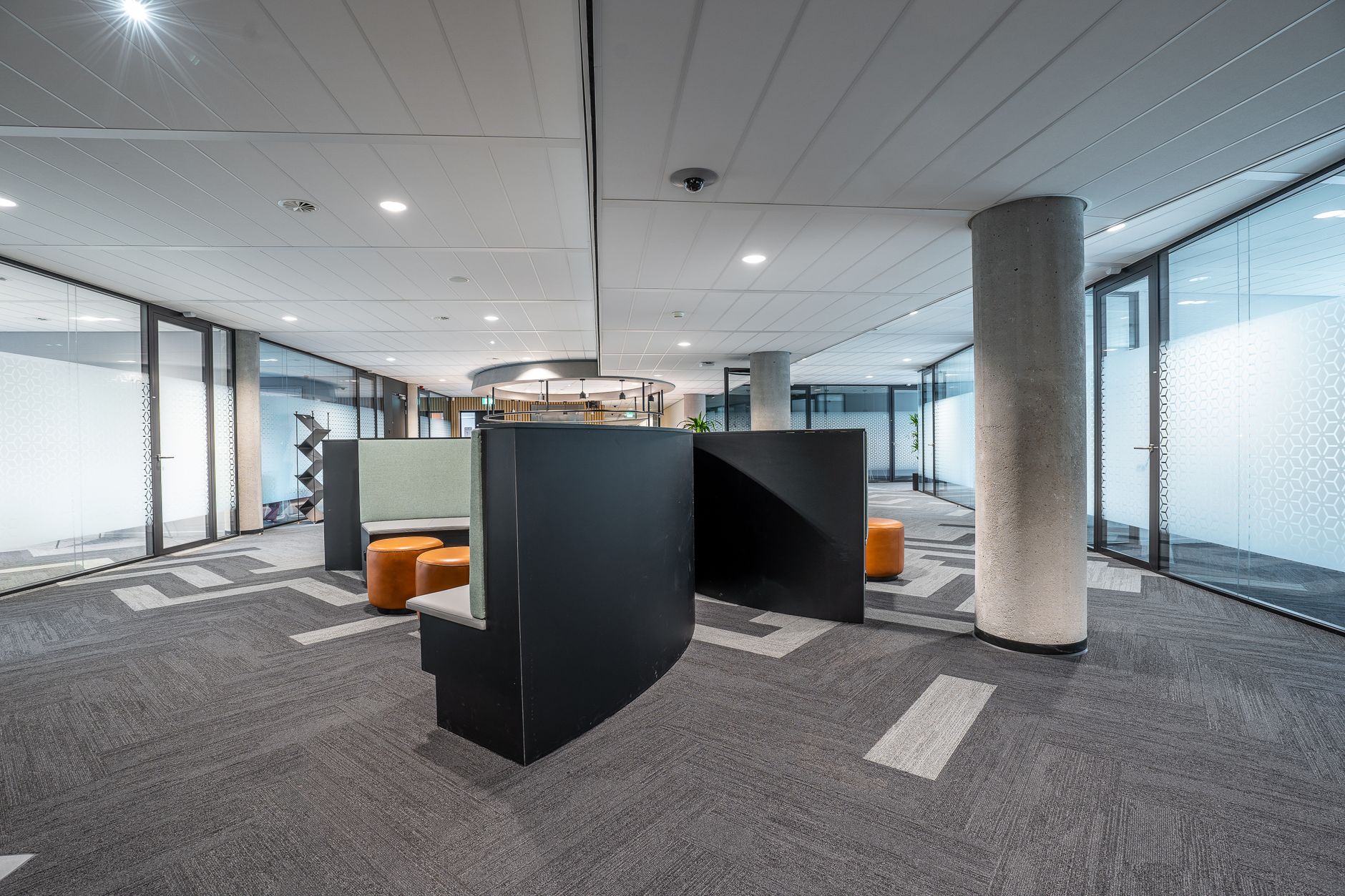
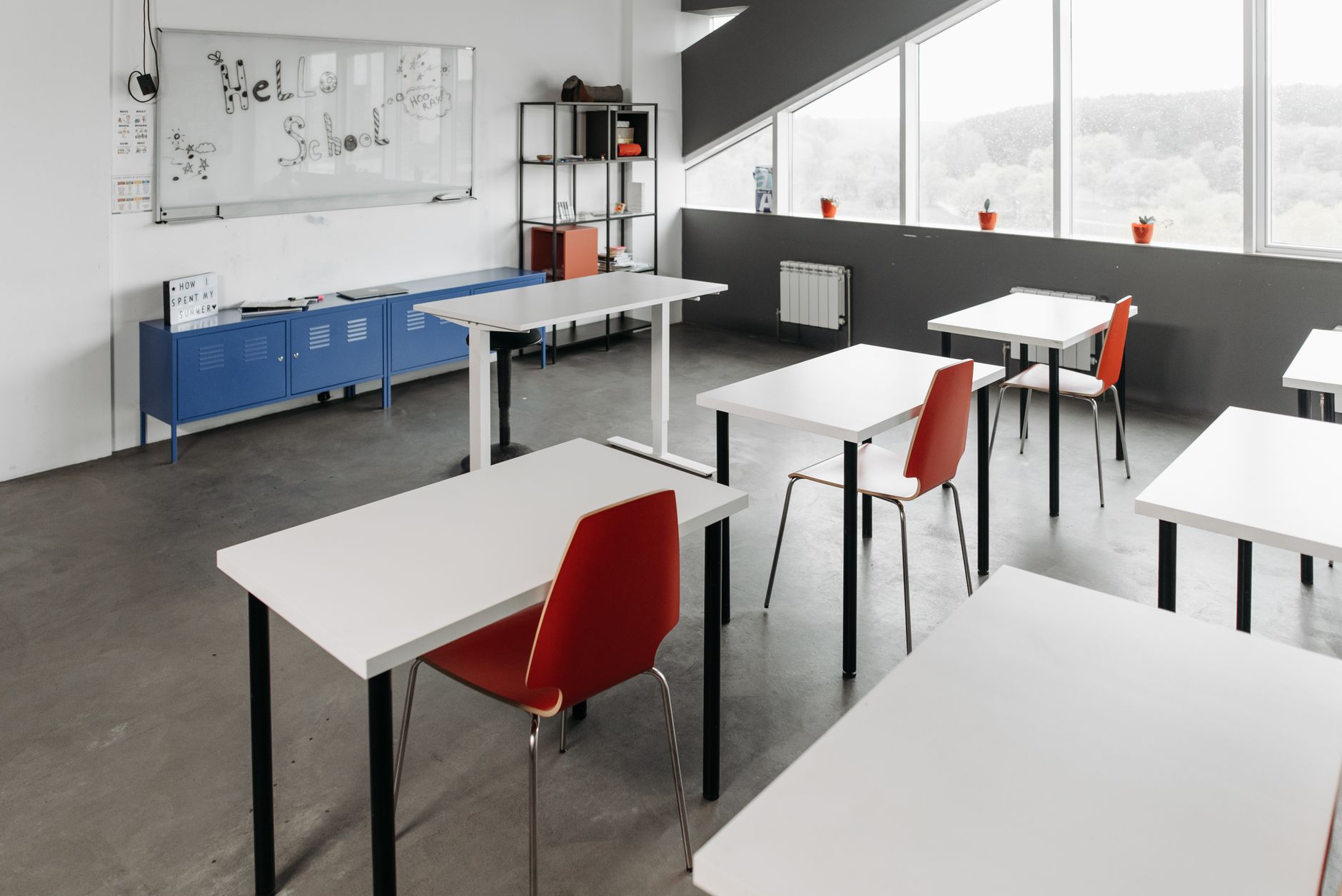
Unit #04-09 holds tables for twelve, wall displays, a board, and a quiet corner for clinic screen-shares. Evening sessions use the full floor from 18:45. Saturday clinic uses half the desks so the other half can be reset. There is no reception desk; the lift lobby sign lists Aimasteryhub beside neighbouring offices.
Coffee is in the complex, not in the room. We keep the studio for machines and conversation about the log. The nearest stations are Bras Basah and Bugis. A map sits in the footer of every page.
Syllabus
Between public cohorts we read the evaluation logs and the Friday walkthroughs. Modules that did not change anyone’s score are shortened. Drills that showed up as clinic tickets (tables in retrieval, confidence gates in routing) move into the Wednesday example. Tool versions are pinned for the length of a run so a library release on Thursday cannot hijack week five.
Participants receive a dated pack. When a later cohort gets a rewritten week, alumni keep the pack they were taught from, plus a short note of what changed. We do not silently alter recordings after the fact.
Limits
Aimasteryhub does not take contracts to build production systems for a fee. The studio teaches; implementation after the cohort belongs to the participant’s organisation. We do not sell software licences, prompt marketplaces, or reseller keys. We do not promise employment, a visa, or a salary band.
If a visitor wants a delivered product, we will say so on the call and point them elsewhere. If they want a measured prototype they will own, they are in the right room.